Tackling plumbing issues at home can be daunting, especially when deciding whether to handle the task yourself or hire a professional. Many homeowners are tempted by DIY plumbing projects due to the potential cost savings and the satisfaction of fixing something themselves. However, the complexity of plumbing systems and the potential for error can lead to larger problems down the line. In this article, we’ll explore the pros and cons of DIY plumbing versus hiring a professional Plumber, focusing on which option offers the most reliable long-term solutions for your home’s plumbing needs.
DIY Plumbing: Common Projects and Challenges
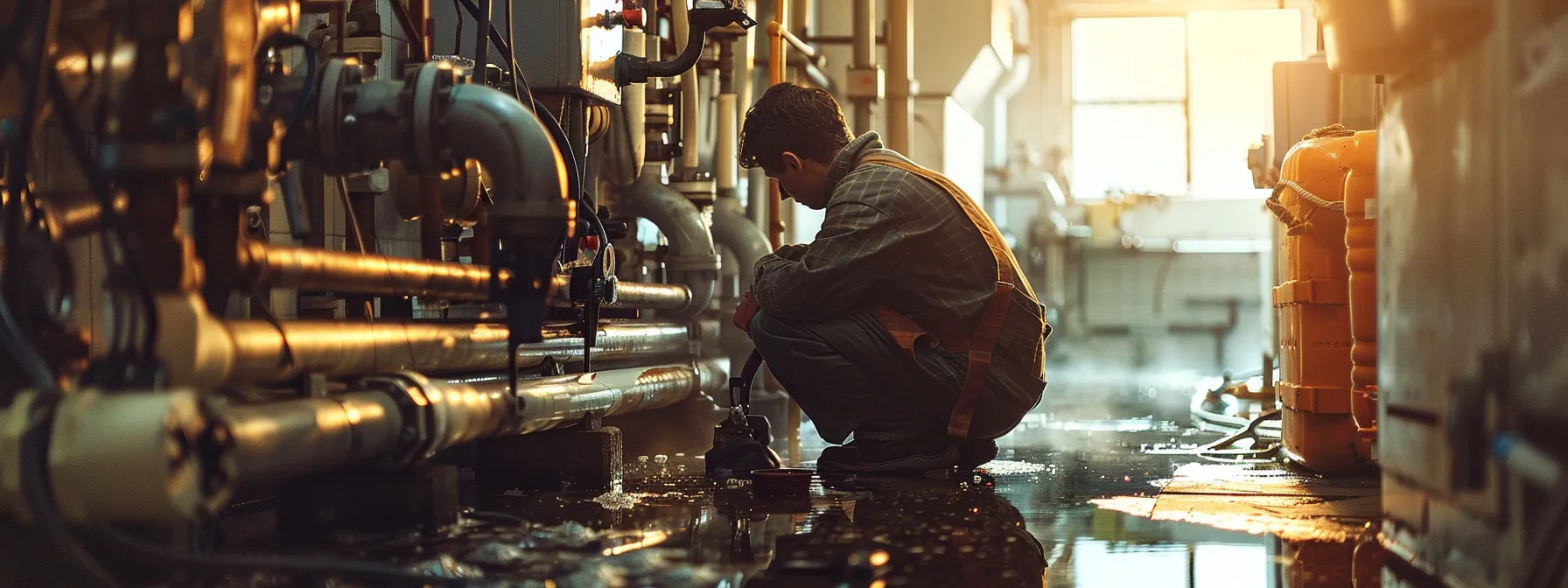
Homeowners often take on DIY plumbing projects like fixing leaky faucets, unclogging drains, or installing new fixtures. These tasks can be manageable with the right tools and a bit of patience. For instance, using soil moisture sensors in garden irrigation systems might be a straightforward task for a DIY enthusiast. However, challenges arise when more complex issues, such as pipe replacements or dealing with water pressure inconsistencies, come into play. Without proper expertise, these projects can quickly become overwhelming, leading to potential water damage or the need for costly repairs. Moreover, DIY projects often lack the formal assurance that comes with professional services. Without a comprehensive understanding of Home Renovation Permit Requirements, homeowners may inadvertently violate local codes, resulting in fines or mandatory rework. Therefore, while DIY plumbing can be rewarding, the challenges it presents require careful consideration and a realistic assessment of one’s skills and knowledge. If a plumbing problem arises, hiring a Plumber may be the safer choice.
Professional Plumbing Services: Expertise and Assurance
Engaging a professional Plumber offers numerous benefits that DIY efforts may not match. Professionals bring a wealth of experience and specialized training, which allows them to tackle complex plumbing issues efficiently. For example, they can conduct an Indoor Air Quality Assessment related to plumbing systems, ensuring that no harmful gases are leaking into your home. Additionally, professional Plumbers are well-versed in Energy Star Compliance, advising on the most efficient fixtures and practices to conserve energy and water.
Moreover, professional Plumbers provide a level of assurance and peace of mind. They are often insured and bonded, meaning they are accountable for their work, and any errors are typically covered. This professional guarantee is particularly important for complex systems where mistakes can be costly. The expertise of a trained Plumber often extends beyond immediate repairs, offering advice on preventing future issues, which can be invaluable for maintaining your home’s plumbing system in the long term.
Long-Term Solutions: Evaluating Cost and Quality
When evaluating the cost and quality of DIY versus professional plumbing solutions, it’s important to consider both immediate and long-term impacts. Although DIY projects may seem cost-effective upfront, they can lead to unforeseen expenses if mistakes occur. For instance, improperly installed fixtures can result in water damage, necessitating repairs that far exceed the initial savings. On the other hand, hiring a professional Plumber might come with a higher initial cost, but their expertise ensures that the job is done correctly the first time, often preventing future issues.
The quality of the work is another critical factor. Professional Plumbers use high-quality materials and adhere to industry standards, ensuring that repairs and installations are durable. Furthermore, their work often includes a warranty, providing additional security and trust in their services. This level of quality assurance is difficult to achieve with DIY efforts, where the lack of professional tools and materials can lead to subpar results.
Making the Choice: Factors to Consider for Your Plumbing Needs
Deciding between DIY and professional plumbing services depends on several factors, including the complexity of the problem, your skill level, and your budget. For simple tasks and those who enjoy hands-on projects, DIY might be a suitable option. However, for more complex issues, such as those involving intricate systems like Smart Home Integration Services, hiring a professional is advisable.
Additionally, consider the potential long-term benefits of professional services. For instance, a professional Plumber can conduct an Aging-in-Place Evaluation, ensuring that plumbing systems are safe and accessible for aging family members. They can also offer advice on integrating Green Cleaning Certification practices into your plumbing maintenance, promoting a healthier home environment.
Ultimately, the choice between DIY and professional plumbing should be guided by a careful assessment of the situation and an understanding of the potential risks and rewards associated with each approach.
Conclusion
Choosing between DIY plumbing and hiring a professional Plumber involves weighing immediate costs against long-term benefits. While DIY projects can be rewarding and cost-effective for simple tasks, they may not provide the lasting solutions that professional services offer. With their expertise, quality materials, and assurance, professional Plumbers are often the better choice for ensuring reliable and efficient plumbing systems in your home. For those seeking peace of mind and sustainable solutions, investing in professional services is a wise decision that can prevent costly repairs and enhance the overall quality of your home’s plumbing.
