In the realm of Home & Family, plumbing issues can arise unexpectedly, leading to stress and potential damage. Whether it’s a burst pipe, a backed-up sewer, or a major leak, knowing who to call—an emergency Plumber or a regular Plumber—can make all the difference. This article aims to guide you through the decision-making process in a plumbing crisis, helping you understand when immediate assistance is necessary and when a routine service can suffice.
Emergency Plumbing Situations That Require Immediate Attention
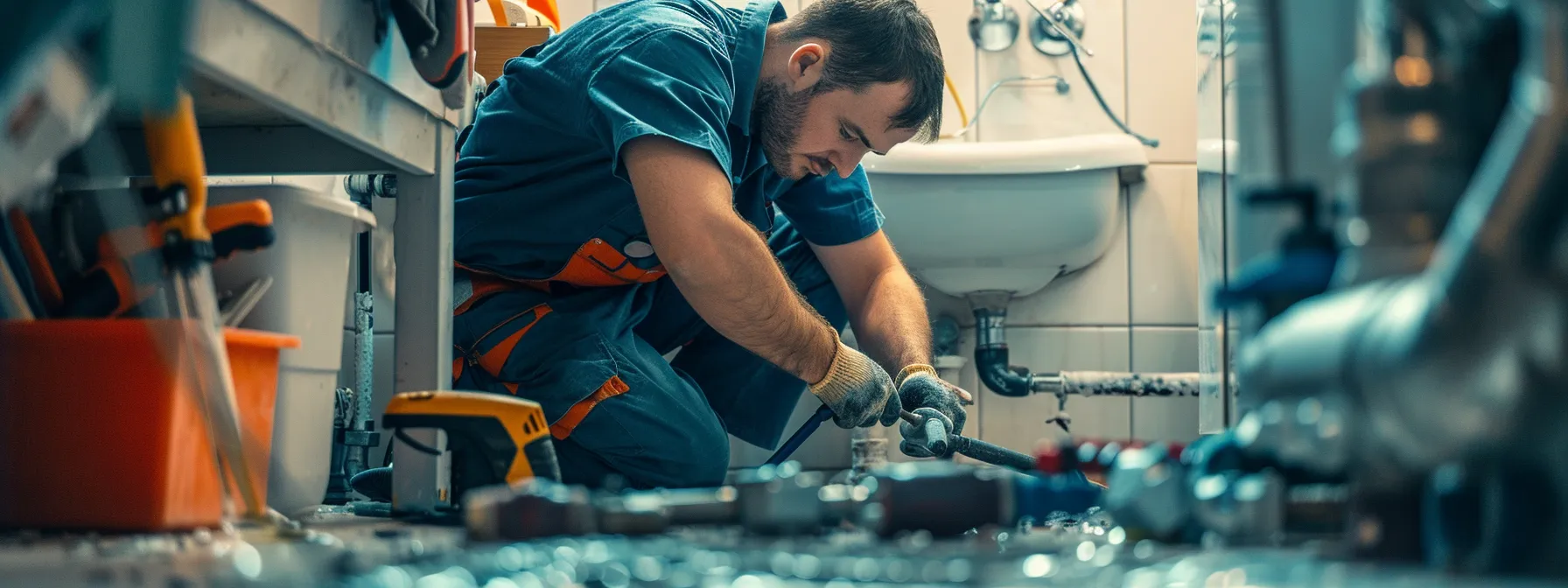
Not all plumbing issues are created equal, and some demand urgent attention to prevent further damage. A prime example is a burst pipe, which can lead to severe water damage within minutes. In such cases, contacting an emergency Plumber is crucial. These professionals are equipped to handle high-stress situations with speed and efficiency, often employing advanced tools such as Indoor Air Quality Monitors to ensure the environment remains safe while repairs are underway.
Another scenario where emergency services are warranted is a sewer backup. This situation poses not only a nuisance but also a health risk due to potential exposure to harmful bacteria. Emergency Plumbers are trained to address such issues swiftly, minimizing the hazards involved. Whether it’s using specialized equipment or leveraging their expertise, they can mitigate problems that regular Plumbers might not handle immediately.
Lastly, sudden hot water heater failures, especially during colder months, can cause significant discomfort in a household. An emergency Plumber can quickly assess the situation and provide solutions, ensuring your home remains functional and safe.
Key Differences Between Emergency Plumbers and Regular Plumbers
The primary distinction between emergency Plumbers and regular Plumbers lies in their availability and responsiveness. Emergency Plumbers are accessible 24/7, offering immediate service when critical issues arise. They are trained to prioritize emergencies and have the resources to resolve complex problems outside regular business hours.
Conversely, regular Plumbers typically operate during standard working hours and may schedule jobs based on urgency and availability. Their focus is often on routine maintenance, installations, and non-critical repairs. For instance, when installing energy-efficient fixtures, a regular Plumber might recommend a Home Energy Audit to ensure optimal performance and sustainability.
Moreover, emergency Plumbers often have a broader range of tools and expertise to handle unexpected and severe issues, while regular Plumbers may focus on planned services like renovations or installations involving Eco-Friendly Material Sourcing.
When to Call an Emergency Plumber for Your Home
Deciding when to call an emergency Plumber can be challenging, but certain indicators can guide your decision. If the issue poses an immediate threat to your home’s structure or the health of its occupants, it’s time to contact an emergency Plumber. For example, a rapid water leak can lead to mold growth, compromising indoor air quality and necessitating urgent intervention.
In cases where immediate access to water is compromised, such as a complete shutdown of water supply, an emergency Plumber should be contacted. They can quickly diagnose and rectify the problem, ensuring your household’s daily functions remain uninterrupted.
For non-urgent matters like upgrading your plumbing system for a Smart Home Integration Specialist setup, a regular Plumber suffices. These upgrades are typically planned and don’t require immediate action.
Cost Considerations: Emergency vs. Regular Plumbing Services
Financial implications play a role in deciding which Plumber to call. Emergency Plumbers often charge a premium for their services due to the immediacy and complexity of the tasks they handle. This cost covers their availability and the specialized equipment required for urgent repairs.
Regular plumbing services are generally more cost-effective for planned or non-urgent repairs, as they allow for scheduling during normal business hours. For example, a Plumber installing a new fixture as part of a home renovation project will typically offer more competitive rates compared to emergency services.
Understanding these cost differences can help you make informed decisions during a plumbing crisis. Weighing the urgency against the potential expense ensures that you choose the right service without unnecessary financial strain.
Conclusion

Choosing between an emergency Plumber and a regular Plumber in a crisis hinges on the nature and urgency of the problem. Emergency Plumbers provide rapid response and specialized expertise for critical issues, while regular Plumbers handle planned and routine tasks with efficiency. Recognizing the urgency of your situation and understanding the cost implications can help you make the best choice for your Home & Family needs. Trusting the right professional ensures your home’s integrity and your family’s well-being remain intact during plumbing emergencies.
