When it comes to maintaining a well-functioning home, plumbing plays a crucial role in ensuring everything runs smoothly. Whether you’re dealing with a minor leak or a major pipe installation, having the right tools is essential for any plumber. Understanding the variety of tools that a Plumber Near Me uses can help you appreciate the complexity and precision involved in their work. This article will explore the essential plumbing tools used for different projects, from basic hand tools to specialized equipment and maintenance tools that guarantee long-lasting solutions.
Essential Plumbing Tools for Every Project
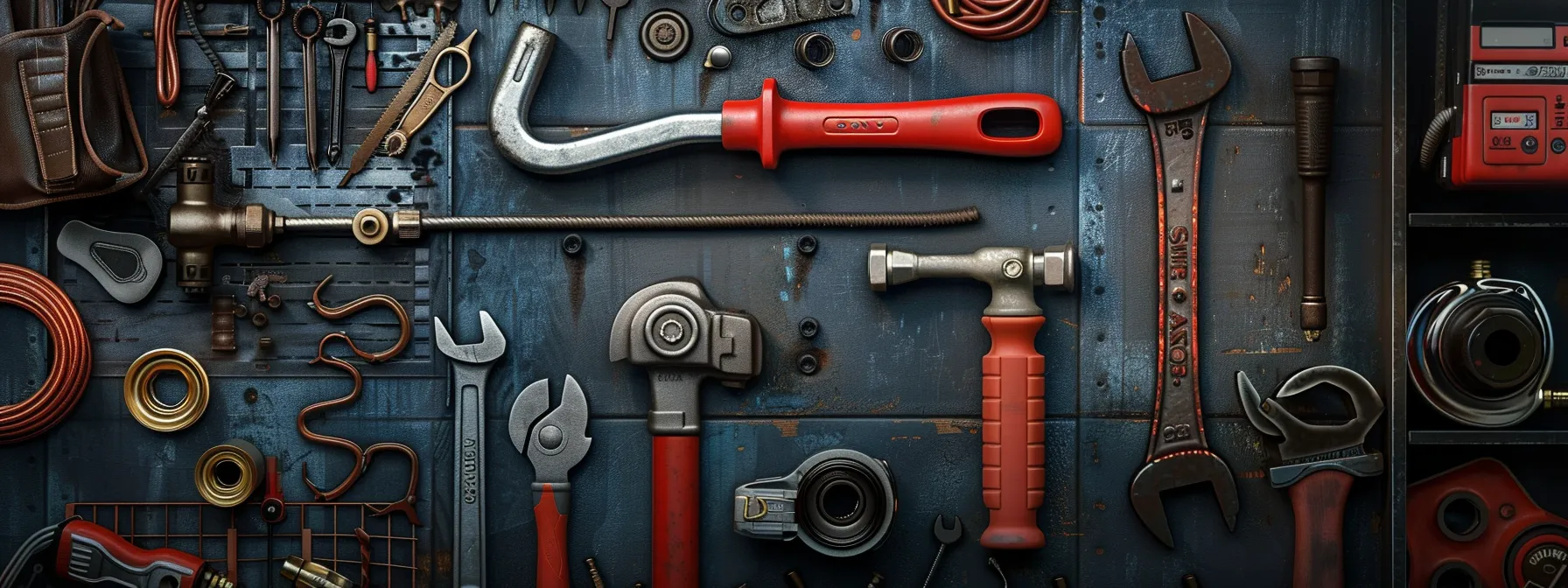
Every home plumbing project, whether it’s a small repair or a larger installation, requires a set of fundamental tools. A pipe wrench, for instance, is indispensable for gripping and turning pipes, allowing plumbers to tighten or loosen them effectively. Another critical tool is the plumber’s snake, which helps clear out clogs in drains and pipes. These tools are often complemented by a set of pliers, which are used to grip, twist, bend, and cut wire and cable. Having these tools on hand ensures that plumbers can tackle a wide range of tasks efficiently.
In addition to these basics, plumbers frequently employ an energy audit certification to assess the efficiency of plumbing systems. This certification allows them to identify areas where water and energy use can be optimized, ultimately saving homeowners money on utility bills. By using these essential tools, plumbers can address both the immediate needs of a project and its long-term sustainability.
Common Hand Tools Used by Your Local Plumber
Hand tools are the backbone of any plumber’s toolkit. A common example is the adjustable wrench, which is used for a variety of tasks, from loosening and tightening nuts to adjusting valves. Another essential hand tool is the pipe cutter, which provides a clean and precise cut through metal and plastic pipes. These tools are designed to be versatile, allowing plumbers to adapt to different situations easily.
Plumbers also rely on home inventory management tools to keep track of the parts and equipment they use. This organization system helps them manage their supplies efficiently, ensuring they have the necessary components for any job. Furthermore, a digital level is often used to ensure that installations are perfectly horizontal or vertical, which is crucial for maintaining the structural integrity of plumbing systems.
Specialized Equipment for Advanced Plumbing Tasks
Advanced plumbing tasks require specialized equipment to handle complex scenarios. For example, video inspection cameras are vital for diagnosing issues within pipes without invasive methods. These cameras provide a clear view of the internal condition of pipes, helping plumbers to identify blockages, leaks, or damages accurately.
Lead paint risk assessment tools are also used in older homes where lead contamination might be a concern. These tools help plumbers safely and effectively manage the risks associated with lead exposure during plumbing repairs or renovations. Additionally, hydro-jetting machines, which use high-pressure water streams, are employed to clear stubborn clogs and maintain the cleanliness of sewer lines.
Maintenance Tools That Ensure Long-Lasting Plumbing Solutions
Ensuring the longevity of plumbing solutions involves regular maintenance using specific tools. A pressure gauge, for example, is used to monitor water pressure levels within a system, preventing potential damage from excessive pressure. Moreover, plumbers often perform an indoor air quality test to assess the impact of plumbing on a home’s air quality, ensuring that ventilation systems are functioning properly and not contributing to moisture-related issues.
Plumbers also adhere to universal design standards to make plumbing systems accessible and user-friendly for all individuals, including those with disabilities. By incorporating these maintenance tools and standards, plumbers can provide solutions that are both durable and inclusive, enhancing the overall functionality and safety of home plumbing systems.
Conclusion

A well-equipped plumber is crucial for addressing the diverse needs of home plumbing systems. From essential tools for everyday projects to specialized equipment for advanced tasks, understanding what your plumber uses can provide insight into the effectiveness and precision of their work. For those looking to ensure their plumbing is in capable hands, reaching out to a qualified professional is a wise choice. By investing in the right expertise and tools, homeowners can maintain efficient and reliable plumbing solutions for years to come.
