Skid steer loaders, known for their agility and versatility on construction sites, have become even more valuable with the integration of advanced grading systems. These technologies are revolutionizing the way grading tasks are conducted, potentially increasing accuracy and efficiency by significant margins. Grading systems designed for skid steers leverage sensors and GPS technology to streamline earth-moving processes traditionally prone to error and rework.
Contractors seeking to enhance their project outcomes will find that adopting skid steer grading systems not only improves site precision but also boosts overall productivity. Below, we delve into the multifaceted benefits of these systems and examine how they are transforming the construction landscape.
Enhancing Precision in Construction Projects with Skid Steer Grading Systems
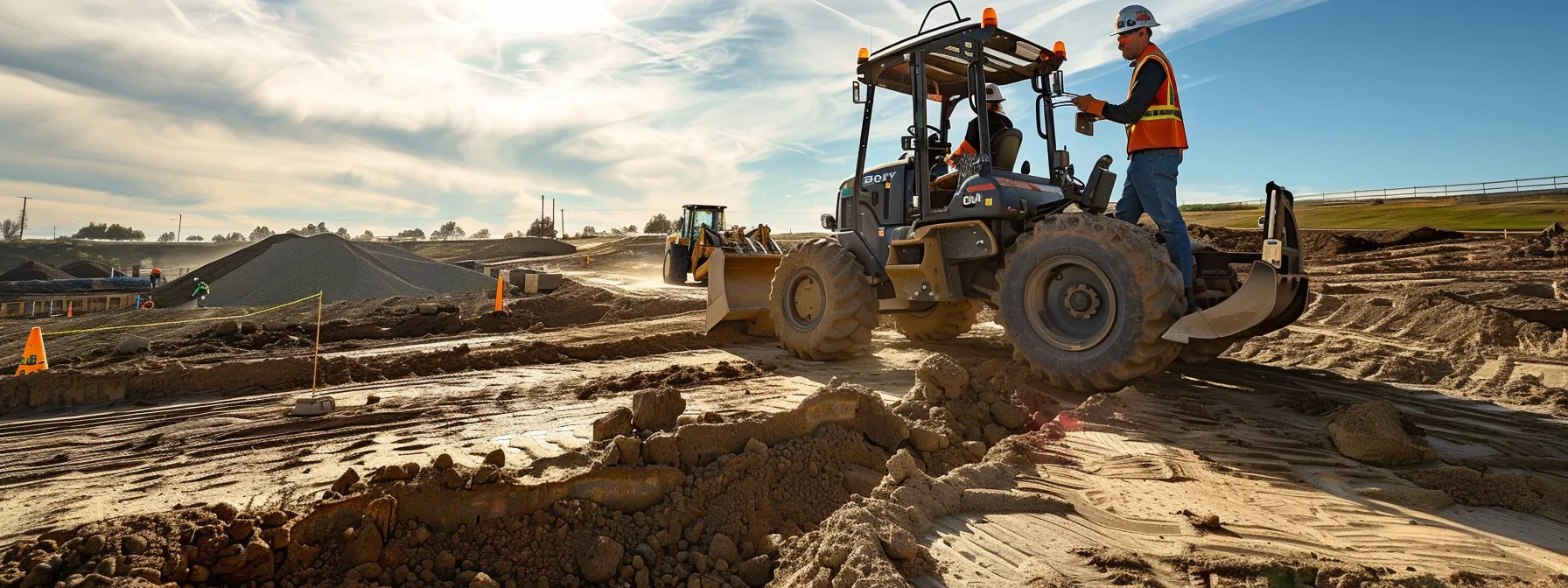
Implementing skid steer grading systems holds the potential to dramatically increase the precision of construction projects. The use of cutting-edge technology allows operators to grade land to exact specifications with minimal error. This accuracy is critical in projects where even minor deviations can lead to significant structural challenges or rework.
With the aid of GPS and laser-based guidance systems, skid steer graders can achieve near-perfect leveling and grading outcomes. The equipment’s software can store site data and ensure consistency across the project, maintaining design standards throughout the process. This technology grants operators the confidence to perform complex tasks with enhanced control and certainty.
For construction companies looking to invest in skid steer graders, it is advisable to conduct thorough research on various models and their capabilities. Key considerations should include compatibility with existing machinery, the sophistication of the system, and after-sales support services. Skid Steer Grading Systems
Streamlining Construction Workflows with Advanced Grading Technology
The integration of advanced grading systems into skid steer loaders translates to more streamlined construction workflows. By minimizing the need for manual input and adjustments, these systems make the process both more accurate and time-efficient, allowing operators to focus on other critical tasks.
Efficiency gains are realized through features like real-time feedback and automated blade control, which reduce the labor intensity of grading tasks. Furthermore, the reduced need for manual measurements and the ability to repeat processes consistently lead to fewer mistakes and rework instances, saving considerable time on the project timeline.
Deploying these advanced systems requires an understanding of the technology and proper training for operators. It is essential for construction teams to receive comprehensive training to maximize the benefits of the new systems. Moreover, standardizing operating procedures can help ensure consistent performance and safety on the job site. incorporating tech into construction workflows can offer insights into best practices and further enhance the value of these tools.
Cutting Down Project Completion Time with Skid Steer Graders
Time is a crucial factor in any construction project, and skid steer graders significantly cut down on project completion times. By leveraging advanced grading systems, operators can complete grading tasks faster and more efficiently, often doing so with fewer passes and less manual intervention.
This increase in speed is not achieved at the expense of quality; in fact, these systems ensure high precision while also quickening the pace of land preparation. This symbiosis of speed and accuracy means that project schedules are not only met but can potentially be accelerated, offering clients faster turnarounds on their investments.
To capitalize on these time savings, it’s crucial to maintain grader systems in optimal working condition. Regular maintenance checks, updates to software, and calibrations of sensors and GPS components ensure that the equipment performs at peak efficiency, thereby avoiding costly downtime or delays.
Minimizing Labor and Material Costs Through Efficient Skid Steer Use

Efficient use of skid steer graders can lead to significant reductions in labor and material costs. By providing precise grading with less need for manual effort, these machines decrease the manpower required on site. This not only lowers labor expenses but also decreases the potential for human error, which can result in costly material wastage.
Additionally, by enabling operators to achieve the desired grade in fewer passes, skid steer graders optimize fuel consumption and reduce wear and tear on equipment. This contributes to lower operating costs and extends the economic lifespan of the assets – a considerable benefit for cost-conscious construction firms.
For optimal cost savings, construction managers should implement a strategy for integrating skid steer grading systems into their fleet management practices. Selecting the right system compatible with existing equipment and matching the requirements of the majority of projects can streamline operations and lead to substantial financial benefits. Running a cost-efficient fleet encompasses both the careful selection of technology and the ongoing management of machinery and human resources.
Overall, the adoption of skid steer grading systems brings a host of advantages to the construction industry, enhancing precision, streamlining workflows, reducing completion times, and cutting costs. By embracing these technological innovations, contractors are better positioned to compete in an increasingly demanding market, delivering high-quality projects both on time and within budget.
