When considering plumbing options for your home, sustainability is an increasingly important factor. The choice between a traditional Plumber and a green Plumber can significantly impact not just your water bill, but also the environment. Traditional Plumbers often rely on established methods and materials that may not prioritize eco-friendliness. In contrast, green Plumbers use innovative technologies and practices to conserve water and energy. This article will delve into the environmental impact of traditional plumbing, explore the sustainable solutions offered by green plumbing, compare costs and savings, and examine current consumer preferences in this evolving industry.
Traditional Plumbing Practices and Their Environmental Impact
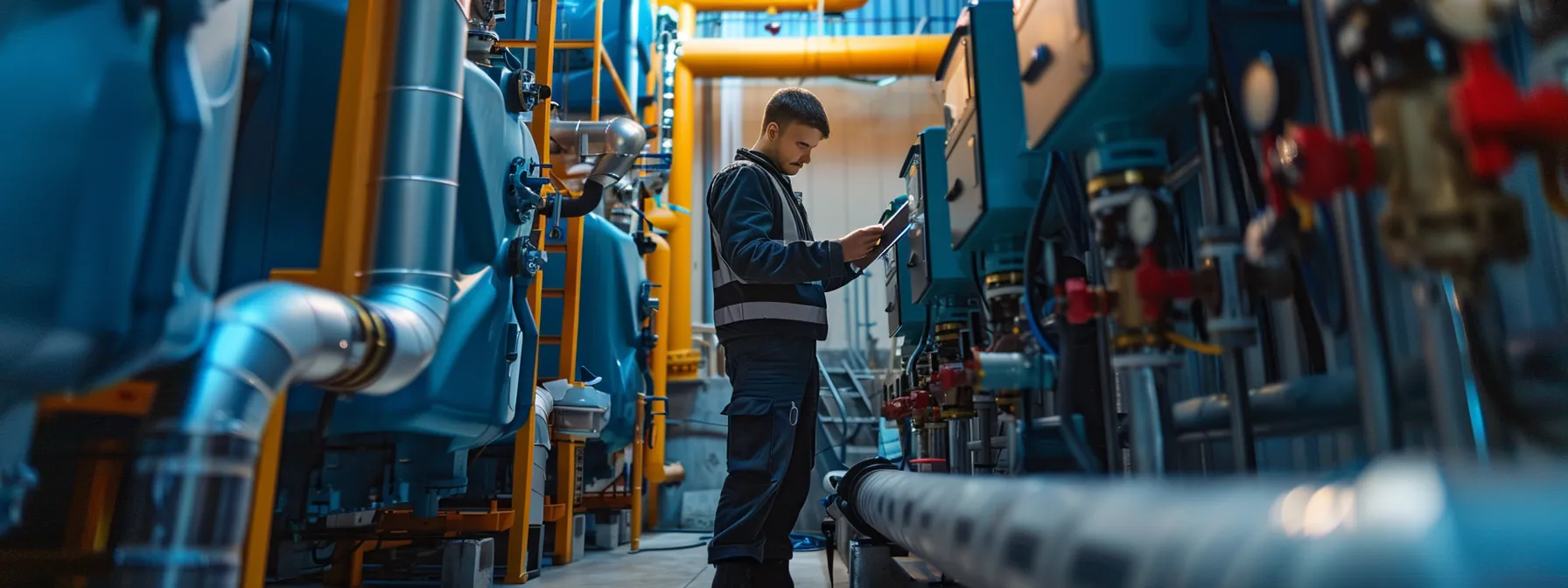
Traditional plumbing methods have long been the standard in many homes, typically involving materials and techniques that are not always environmentally friendly. For instance, common practices often include the use of older, less efficient water heaters and fixtures that lack Energy Star Compliance. This can lead to excessive water and energy use, contributing to higher utility bills and a larger carbon footprint. Additionally, traditional systems may not integrate well with modern Home Automation Protocols, which can further increase resource consumption. In this context, it’s important to consider the role of a Plumber in improving these systems.
Furthermore, the materials used in traditional plumbing, such as PVC and copper, can have significant environmental impacts. The production of these materials is energy-intensive and can release harmful pollutants. Moreover, older systems are often less compatible with Non-Toxic Cleaning Agent Certifications, making them reliant on harsh chemicals for maintenance, which can harm both indoor air quality and the surrounding ecosystem.
In summary, while traditional plumbing systems have served homes for decades, their environmental impact is a growing concern. Homeowners are increasingly seeking alternatives that align with Sustainable Home Renovation Practices.
Green Plumbing Innovations for Sustainable Solutions
Green plumbing offers a variety of innovative solutions aimed at reducing environmental impact and enhancing sustainability. These practices include the installation of water-efficient fixtures such as low-flow toilets and faucets, which significantly reduce water usage. Smart Thermostat Integration allows for more precise control of water heating, reducing energy consumption and lowering utility bills.
Moreover, green Plumbers utilize materials that are more environmentally friendly. For example, they may use pipes made from recycled materials or those that require less energy to produce. They also employ Eco-Friendly Pest Control Solutions to maintain systems, ensuring that plumbing maintenance does not compromise Indoor Air Quality.
By adopting green plumbing innovations, homeowners can achieve a more sustainable household. These practices not only conserve resources but also align with Zero-Waste Household Strategies, making them an attractive option for the environmentally conscious consumer.
Comparative Analysis of Costs and Long-Term Savings
While the initial cost of hiring a green Plumber may be higher than that of a traditional Plumber, the long-term savings can be substantial. Green plumbing systems are designed to be more efficient, which can lead to reduced water and energy bills over time. For instance, studies indicate that homes with water-efficient fixtures can reduce water usage by up to 30% (Source: U.S. Environmental Protection Agency, 2022).
Additionally, the integration of Smart Thermostat Integration and other modern technologies can further enhance savings by optimizing energy use. Over time, these savings can offset the initial investment, making green plumbing a financially viable option. The reduction in resource consumption not only saves money but also supports Sustainable Home Renovation Practices, adding value to the property.
Ultimately, while the upfront costs may be a consideration, the long-term financial and environmental benefits make green plumbing an appealing choice for many homeowners.
Consumer Preferences and Trends in Sustainable Plumbing Choices
As awareness of environmental issues grows, consumer preferences are shifting towards more sustainable living options. This trend is evident in the increasing demand for green plumbing solutions. Homeowners are prioritizing systems that contribute to a healthier home environment, such as those that improve Indoor Air Quality and employ Organic Gardening Inputs.
Moreover, the rise of the Childproofing Consultant and Child Development Milestones Tracker services indicates a broader trend towards creating safer, more sustainable homes for families. These services often recommend green plumbing options as part of a holistic approach to home safety and sustainability.
Recent market research suggests that consumers are willing to invest in green technologies that offer long-term benefits. This is reflected in the growing popularity of Modular Furniture Design Systems and other eco-conscious home solutions. As such, the trend towards sustainable plumbing is likely to continue as more homeowners recognize the benefits of environmentally friendly living.
Conclusion

Choosing between a traditional Plumber and a green Plumber involves weighing the initial costs against long-term sustainability and savings. Green plumbing offers significant environmental benefits and potential financial savings, making it an attractive choice for eco-conscious homeowners. As consumer preferences increasingly favor sustainability, green plumbing solutions are poised to become the norm in home improvement. For those looking to make environmentally sound choices, green Plumbers provide an effective path to a more sustainable home.
